Brass & Admiralty Brass Tubes
Brass tubes engineered for heat transfer, fabrication and long service life across HVAC, industrial cooling, automotive, marine and general engineering.
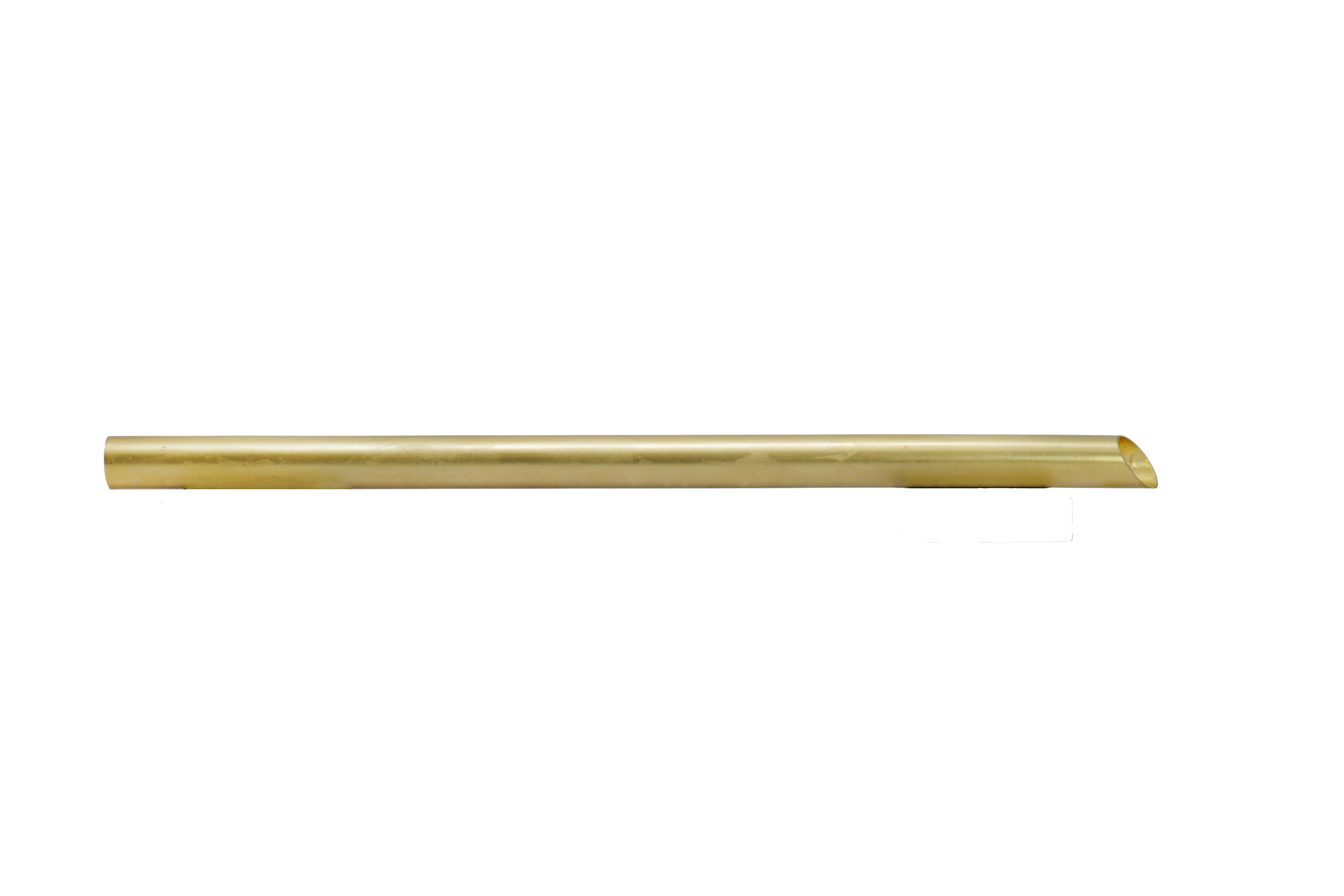
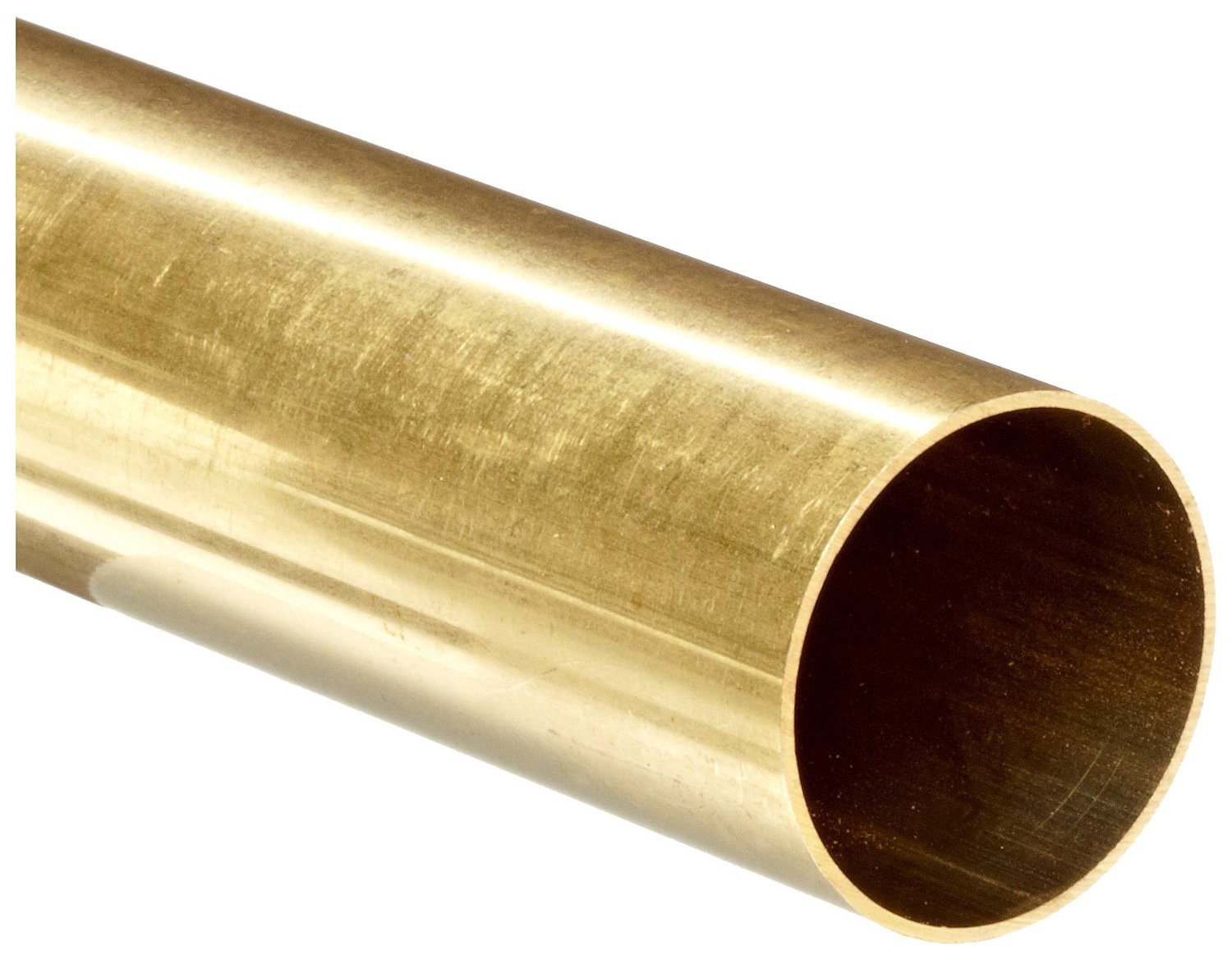
Brass Tubes
Brass is an alloy of copper with zinc as the main alloying element. Strength, hardness, ductility, good corrosion resistance, machinability, formability and conductivity are key characteristics of Tube Tech® brass tubes.
Our brass tubes are manufactured in straight lengths and are characterized by high dimensional accuracy and excellent surface finish. Half hard tubes can be easily flanged and expanded, making them suitable for demanding fabrication and heat transfer applications.
Key Features
- • High dimensional accuracy with excellent surface finish
- • Strength, hardness and ductility for reliable performance
- • Good corrosion resistance with excellent machinability
- • Suitable for flanging, expansion and forming operations
- • Available in a variety of tempers as per requirements
End Applications
Technical Specifications
| Outer Diameter | 4.00 mm to 54.00 mm |
| Wall Thickness | 0.15 mm and above |
| Length | Up to 10 mtrs |
| Tempers | Available in a variety of tempers as per requirements |
| Standards | ASTM / BS / JIS / IS / DIN and other common specifications (bigger sizes & standards available) |
Brass Tubes 70/30
Standards: BS 2871 Part 3; ASTM B-135; IS 407; JIS H 3300; IS 1545
Symbols: CZ126; C26000; CuZn30As; C 2600; CuZn30As
Brass Tubes 63/37
Standards: ASTM B-135; DIN 17671; IS 407; JIS H 3300
Symbols: C 27200; CuZn37; CuZn37; C2700 (65/35); C2800 (60/40)
Frequently Asked Questions
What is the difference between brass and Admiralty brass tubes?
+
Standard brass tubes (70/30 and 63/37) are used for radiators, oil coolers, automobile parts, sanitary fittings and general engineering. Admiralty brass (C44300) contains a small amount of tin, which gives it better corrosion resistance in cooling water. That makes it the preferred brass for condensers, evaporators and heat exchanger tubes.
What sizes can you supply?
+
- Brass 70/30 and 63/37: 4 mm to 54 mm OD, wall from 0.15 mm, lengths up to 10 m
- Admiralty brass: 5 mm to 35 mm OD, wall from 0.4 mm, lengths up to 8 m. Larger sizes are available on request
Which brass grades do you make?
+
- Brass 70/30: C26000, CZ126, CuZn30As, C2600
- Brass 63/37: C27200, CuZn37, plus C2700 (65/35) and C2800 (60/40)
- Admiralty brass: C44300, CZ111, CuZn29Sn1As, CuZn29Sa1
Which standards do you manufacture to?
+
- Brass: ASTM B135, BS 2871 Part 3, IS 407, JIS H3300 and DIN 17671
- Admiralty brass: ASTM B111, BS 2871 Part 3, IS 1545, JIS H3300 and DIN 1785
Which tempers are available, and can the tubes be expanded into tube sheets?
+
Tubes are supplied in a range of tempers to suit your needs. Half hard tubes can be easily flanged and expanded, which suits heat exchanger and condenser assembly.
Where are Admiralty brass tubes used?
+
Steam condensers, evaporators, condensate coolers, water heaters, turbine oil coolers, air coolers, data center chiller condensers, power plants, shipbuilding, desalination and petrochemical plants.
Should I choose Admiralty brass or cupronickel?
+
Admiralty brass is an economical choice for condensers and coolers running on fresh water or cooling tower water. For seawater, high water velocity or polluted water, cupronickel (90/10 or 70/30) gives a longer service life. We can help you choose based on your water quality and operating conditions.
Are brass fin tubes available?
+
Yes. Brass and Admiralty brass are also available as SpiralEdge™ Fin Tubes for higher heat transfer.